Foundations of Synthesis
Foundations of Synthesis
Introduction
I like to think about synthesis like a dance choreographer, only instead of describing a human body how and when to move, we are describing how a speaker should move. The way a speaker moves determines what sound we hear. A simple way of seeing and hearing this is to start with the basic of sound.
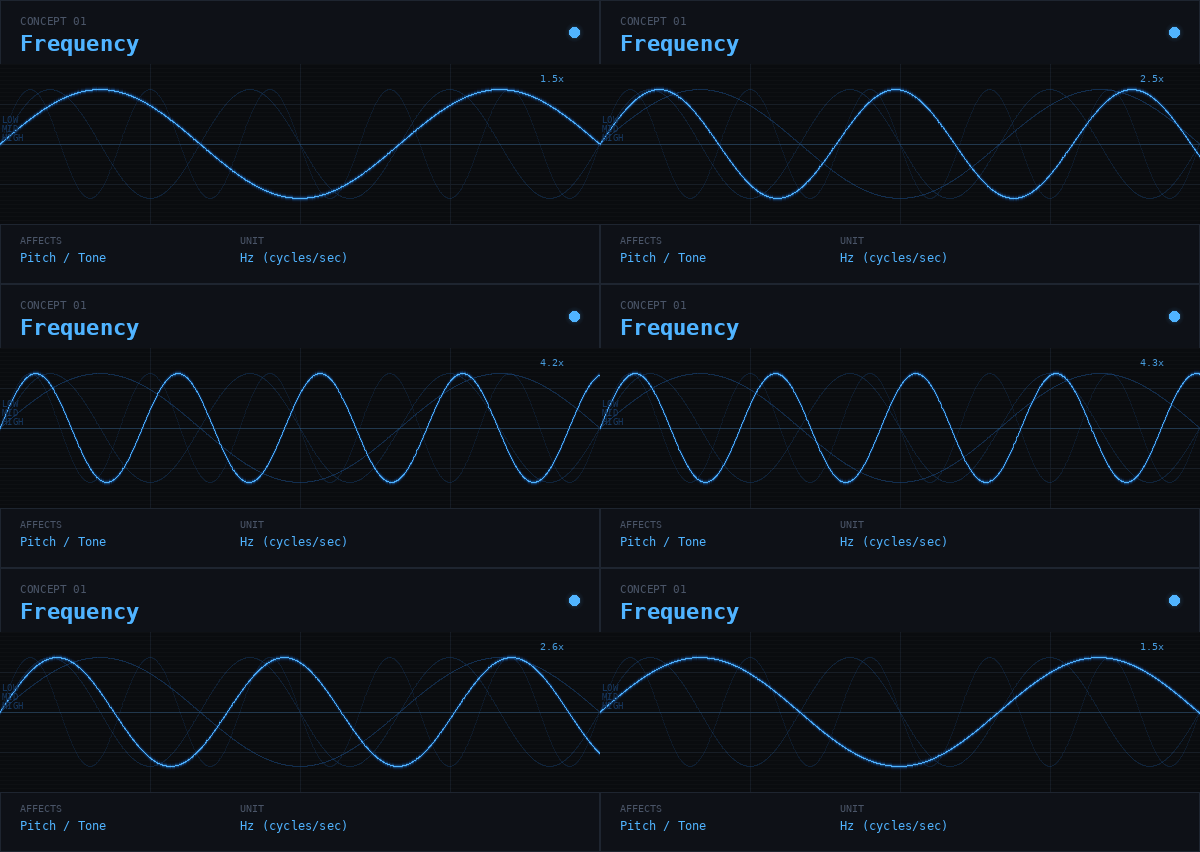
Frequency
How fast the speaker cone moves in and out.
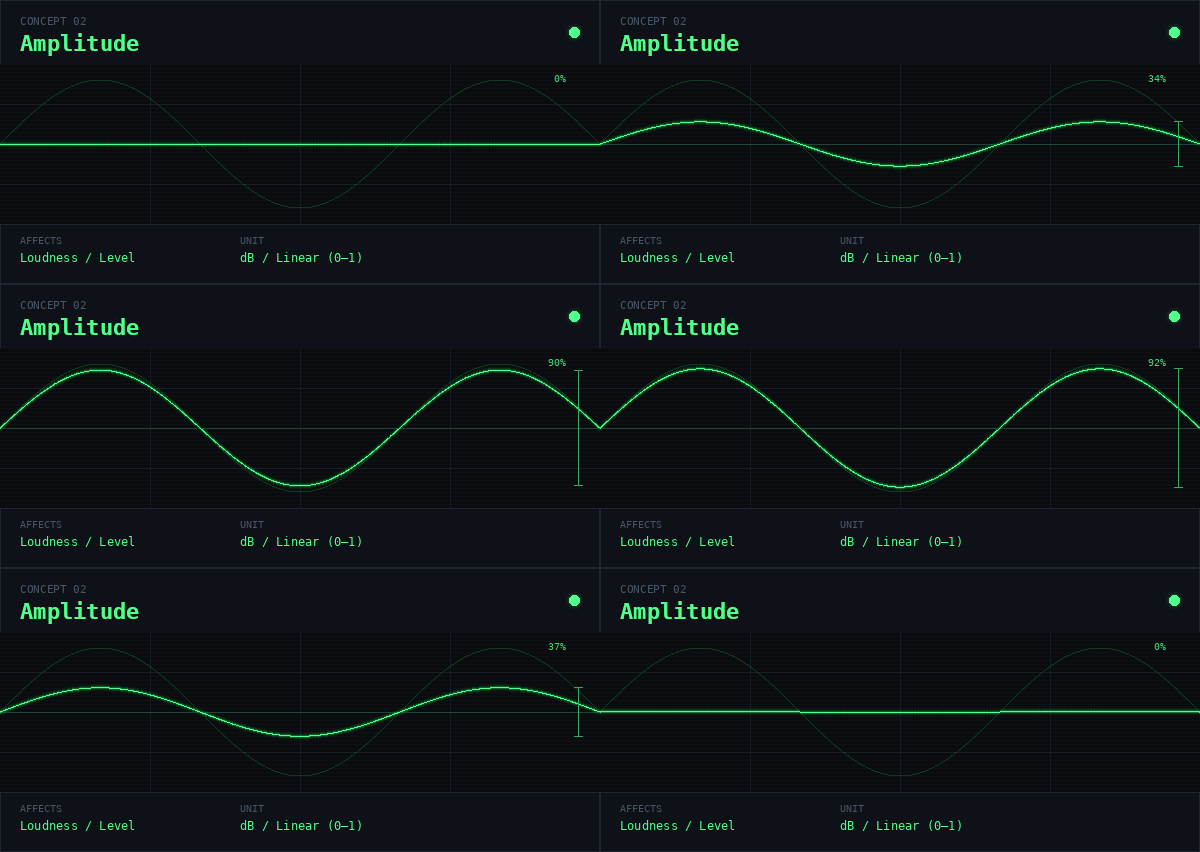
Amplitude
How much the speaker cone moves in and out.
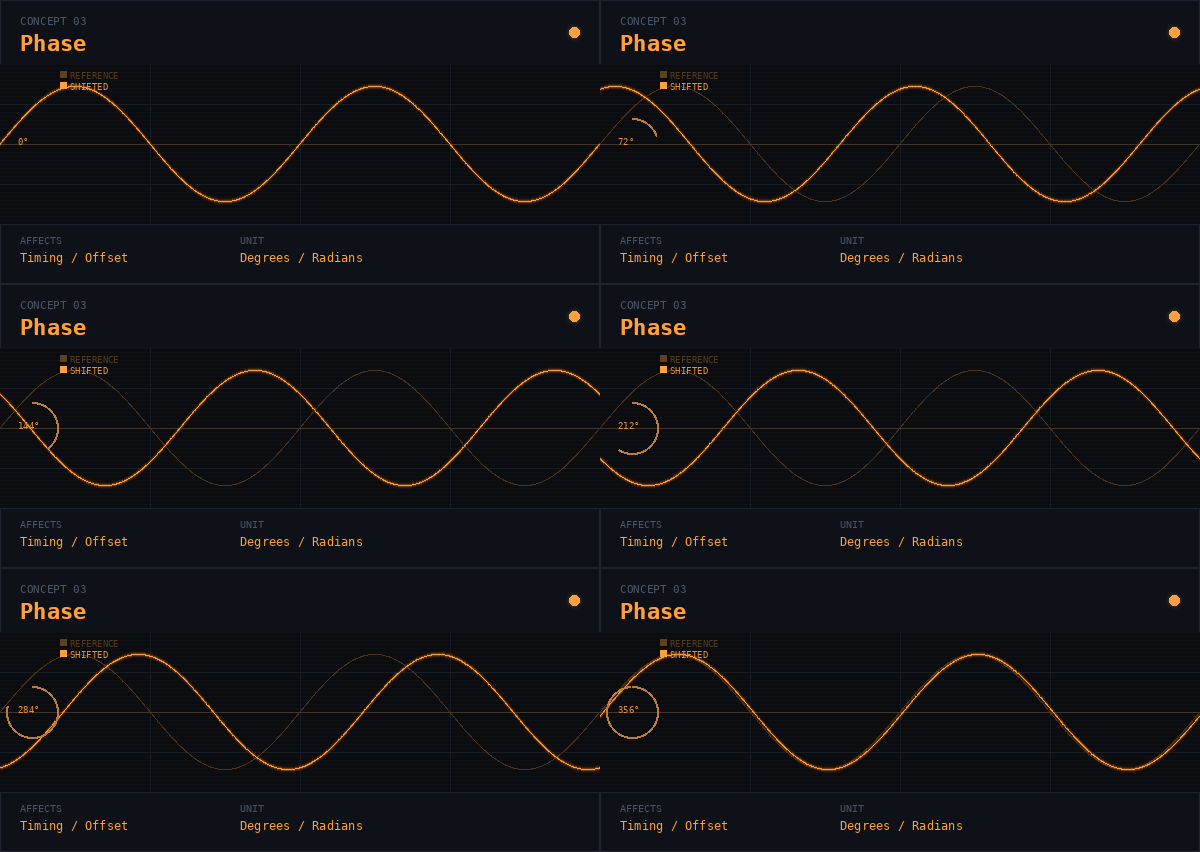
Phase
Where is the speaker cone at within its movement from in to out.
The Harmonic Series
Its important to be familiar with the concept of harmonics/overtones. When dealing with a pitched sound there is usually more than one frequency present. Our brains will often assign the lowest loudest frequency as the perceived pitch of the sound. The other frequencies present are what then account for the timbre of the sound.
Basic Waveforms
Most synthesizer will offer the user a set of basic waveforms and are often the starting point for some of the greatest sounds in sonic history.
Sine
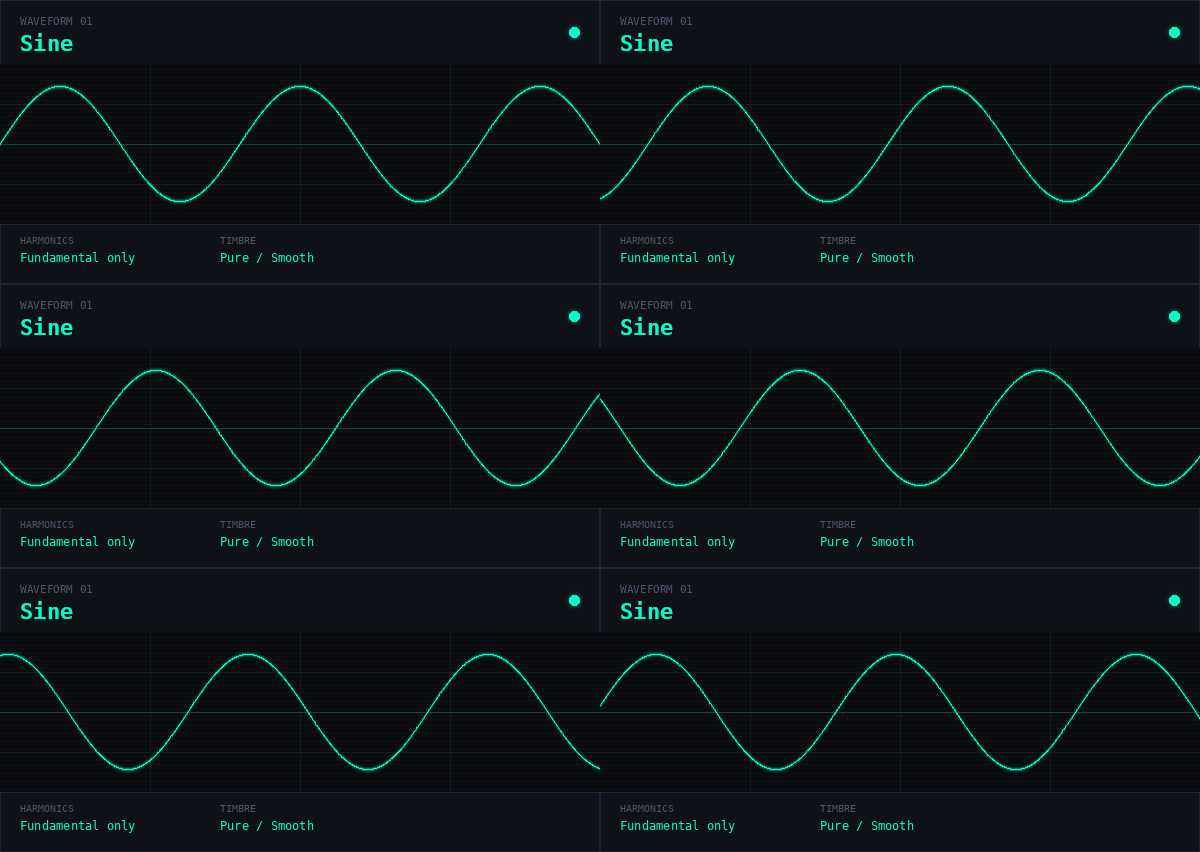
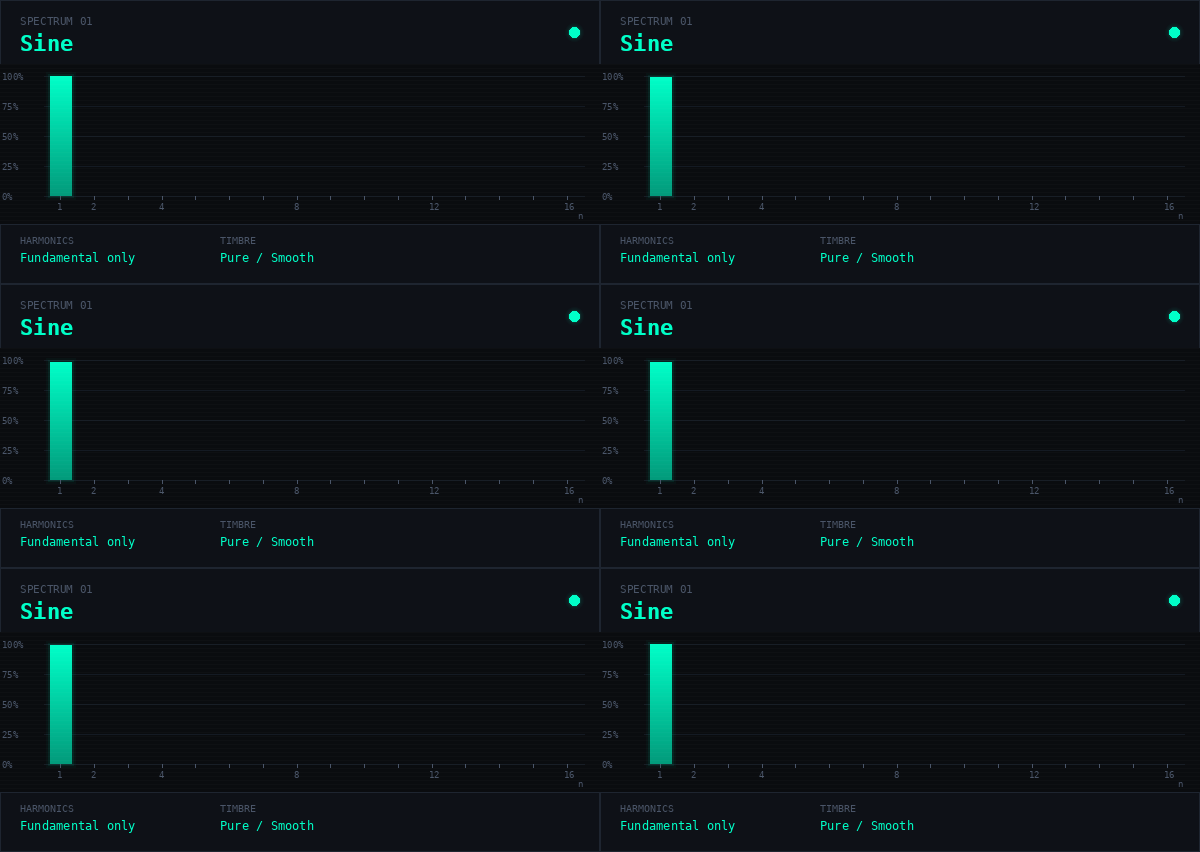
The sine tone is thought of as the purest of all waveforms because in its true form it only produces one frequency. All other waveforms produce
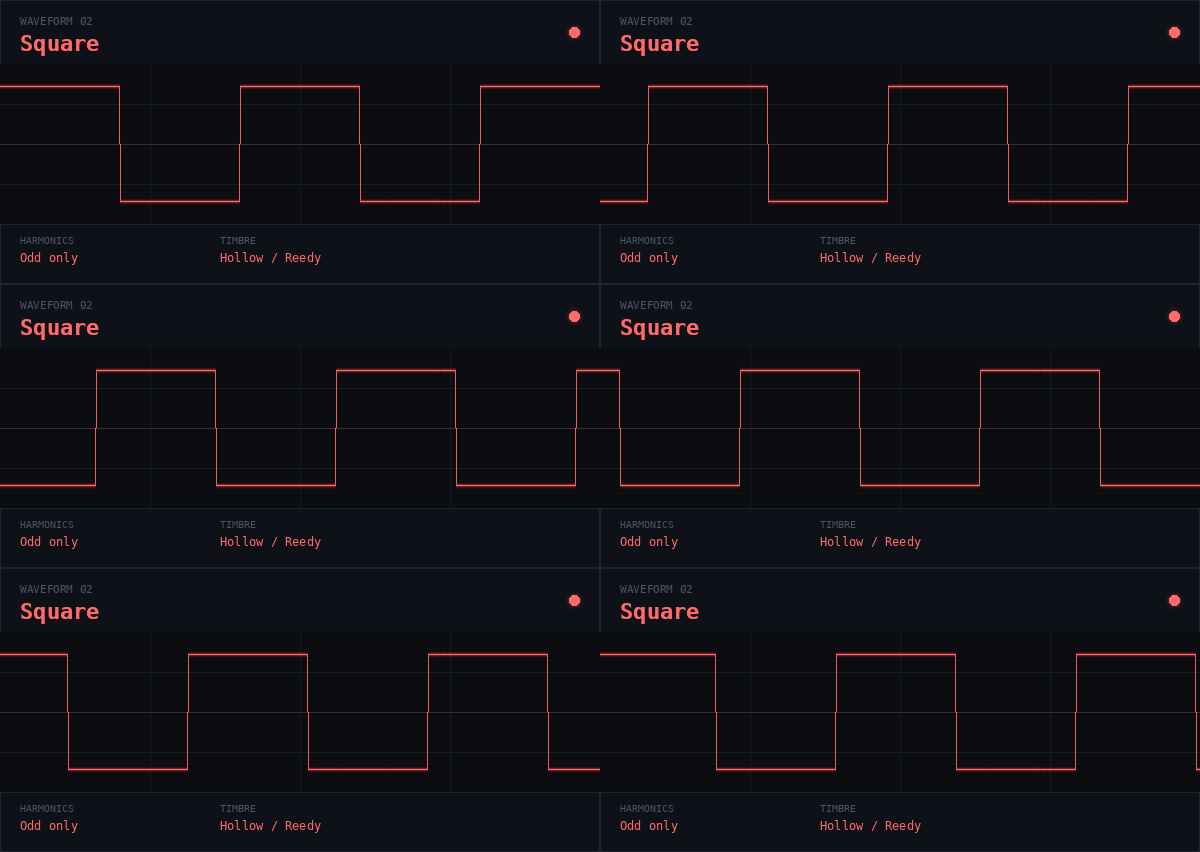
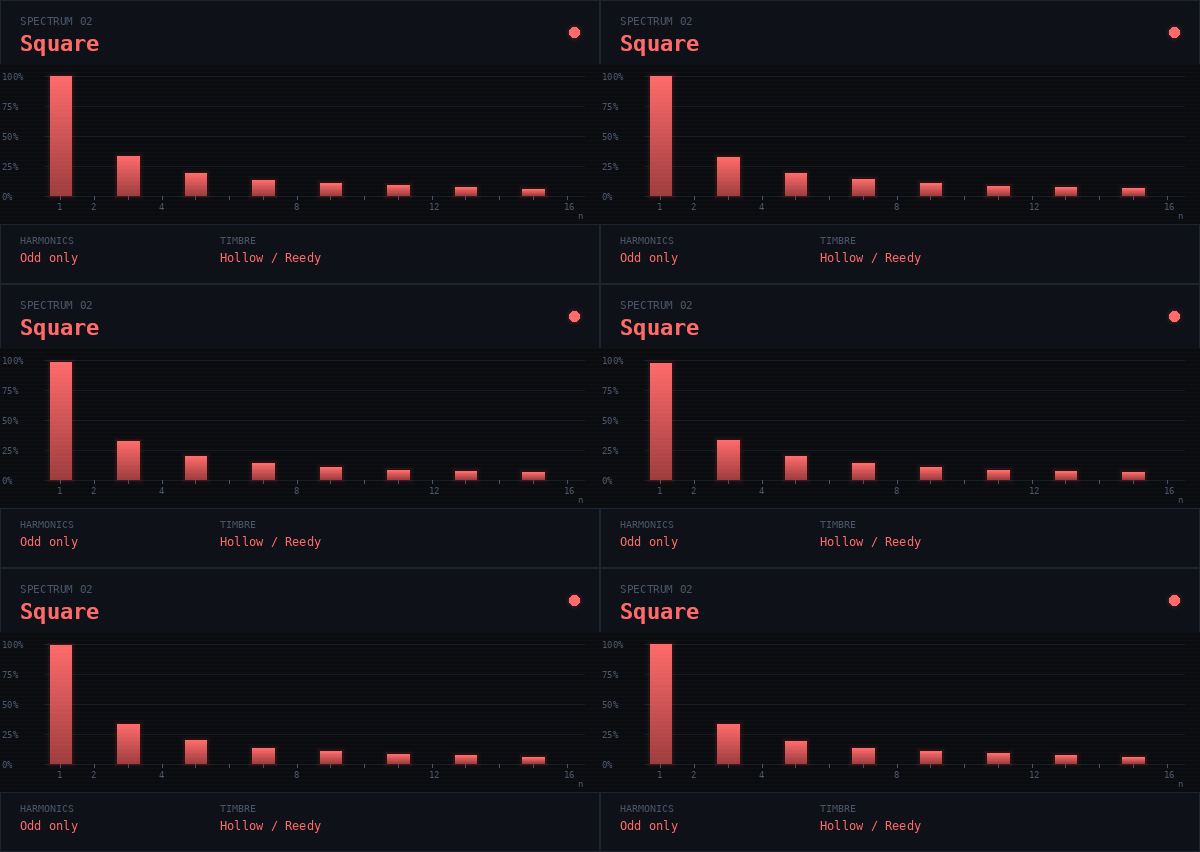
Square
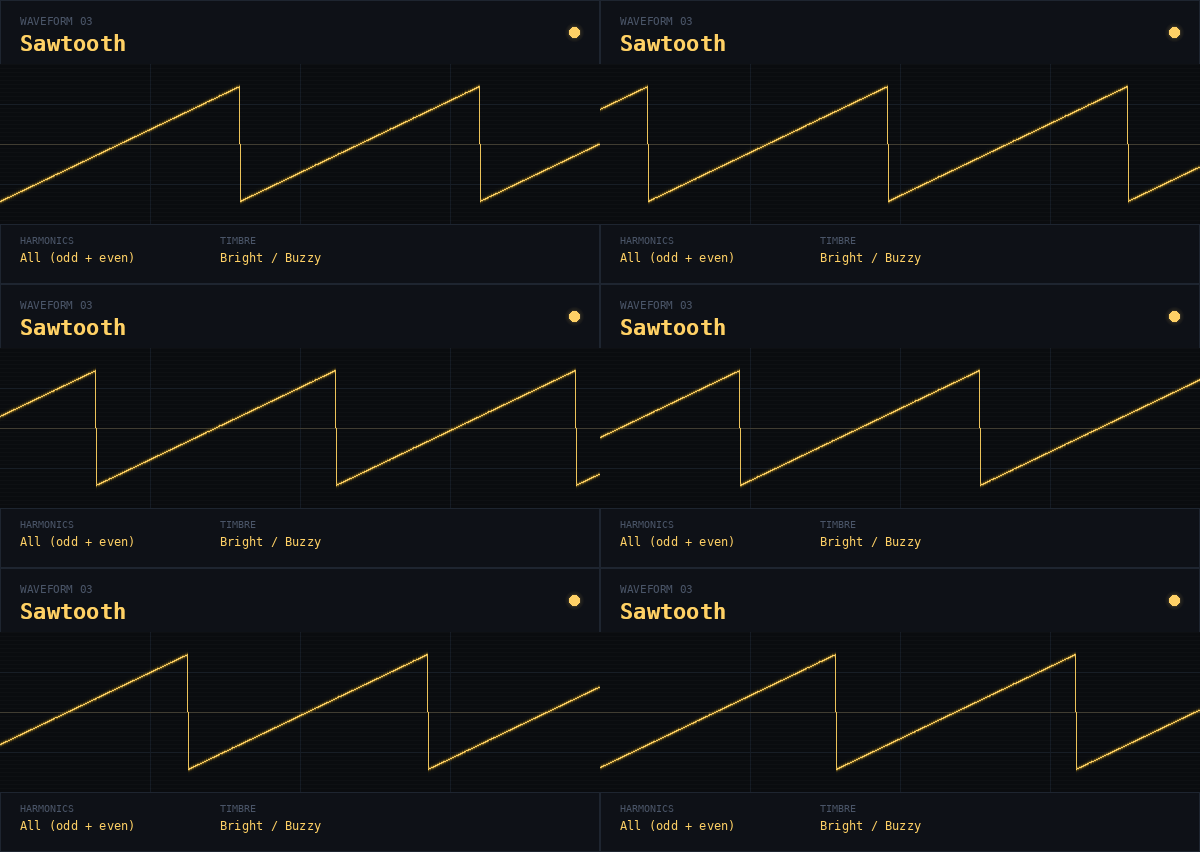
Saw

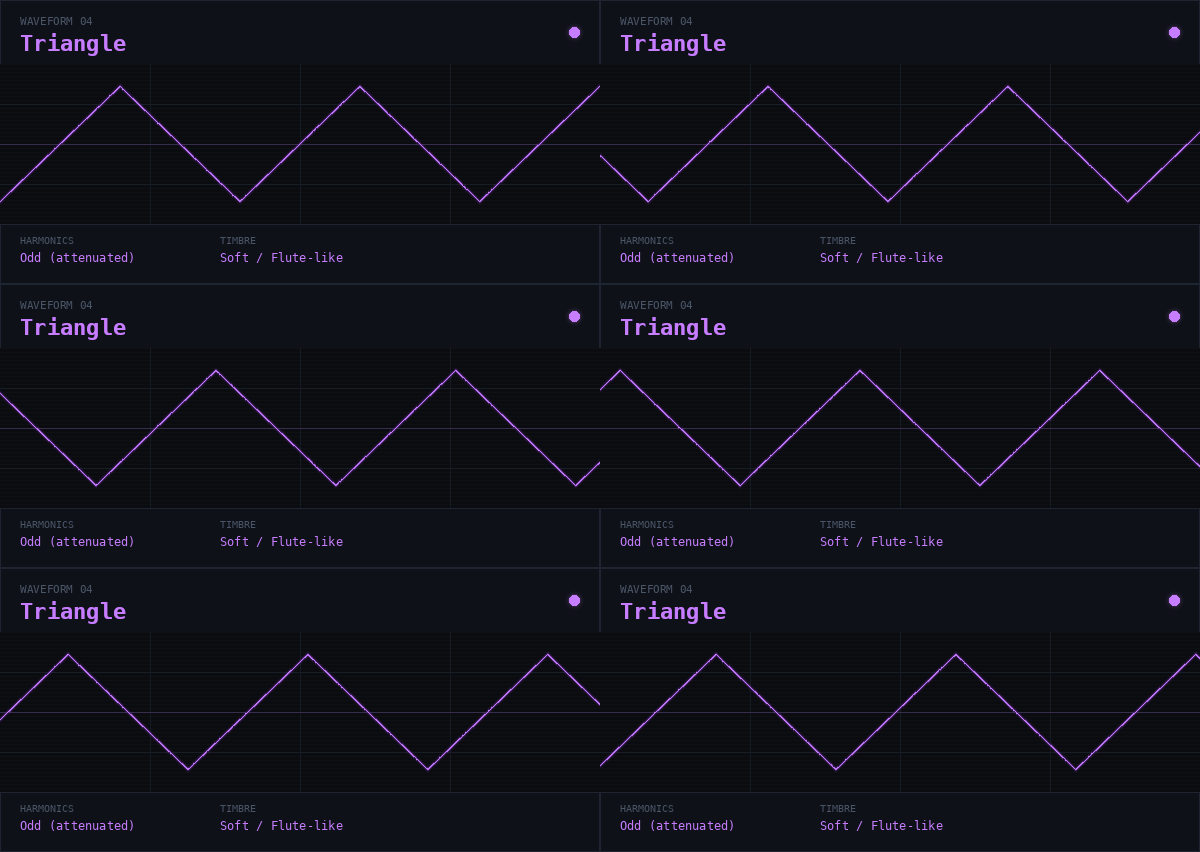
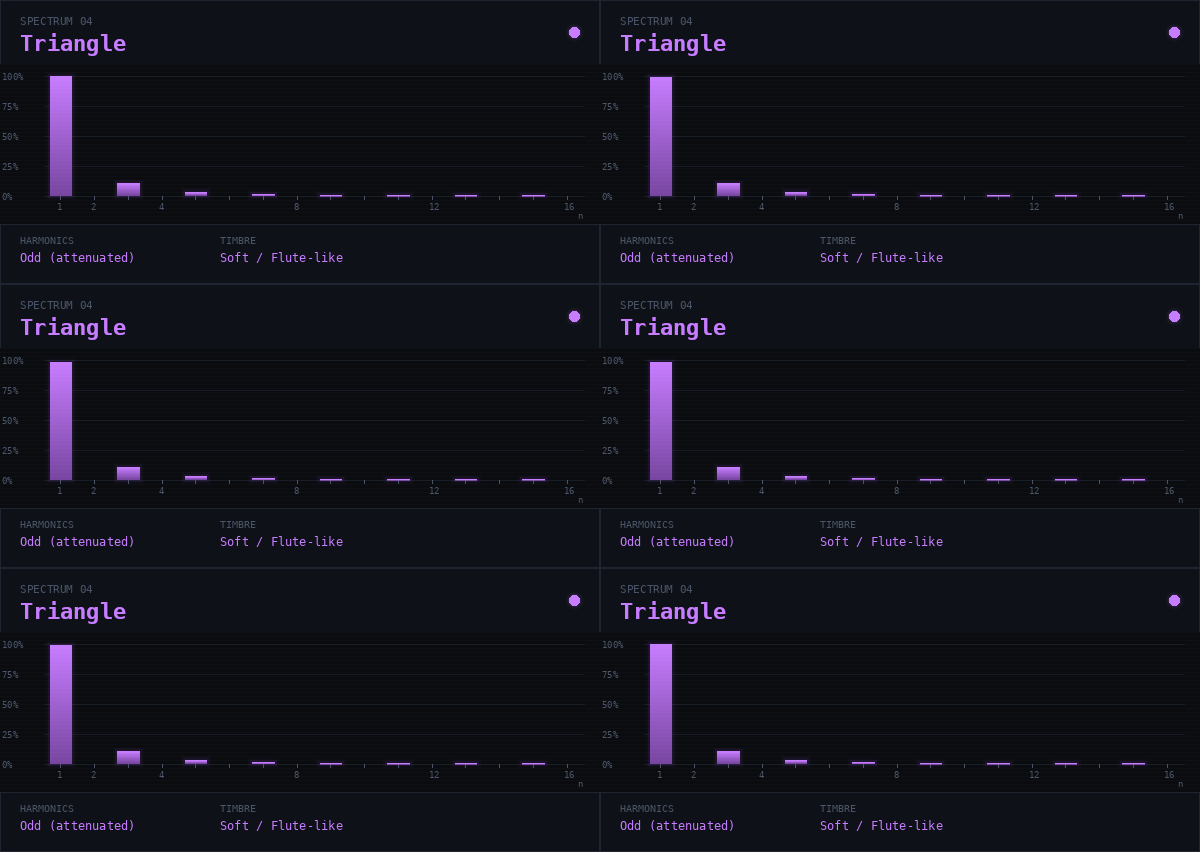
Triangle
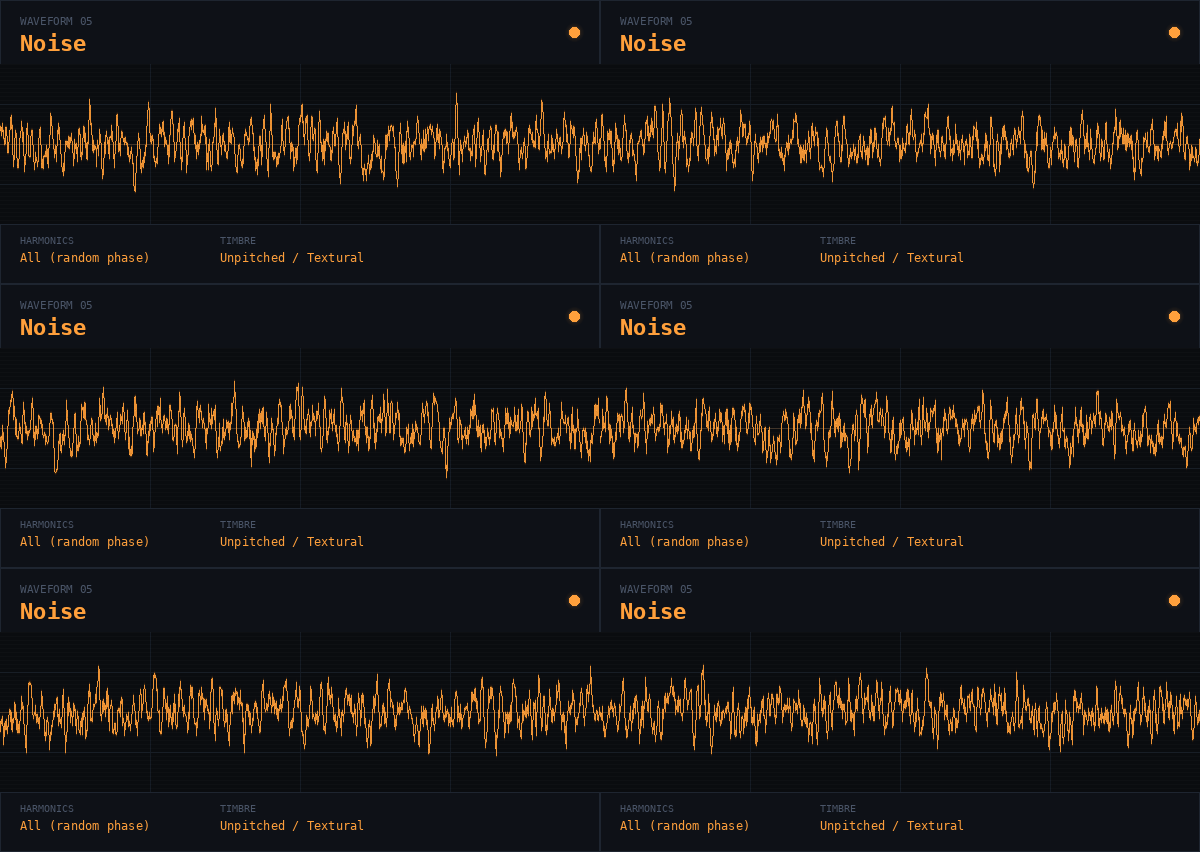
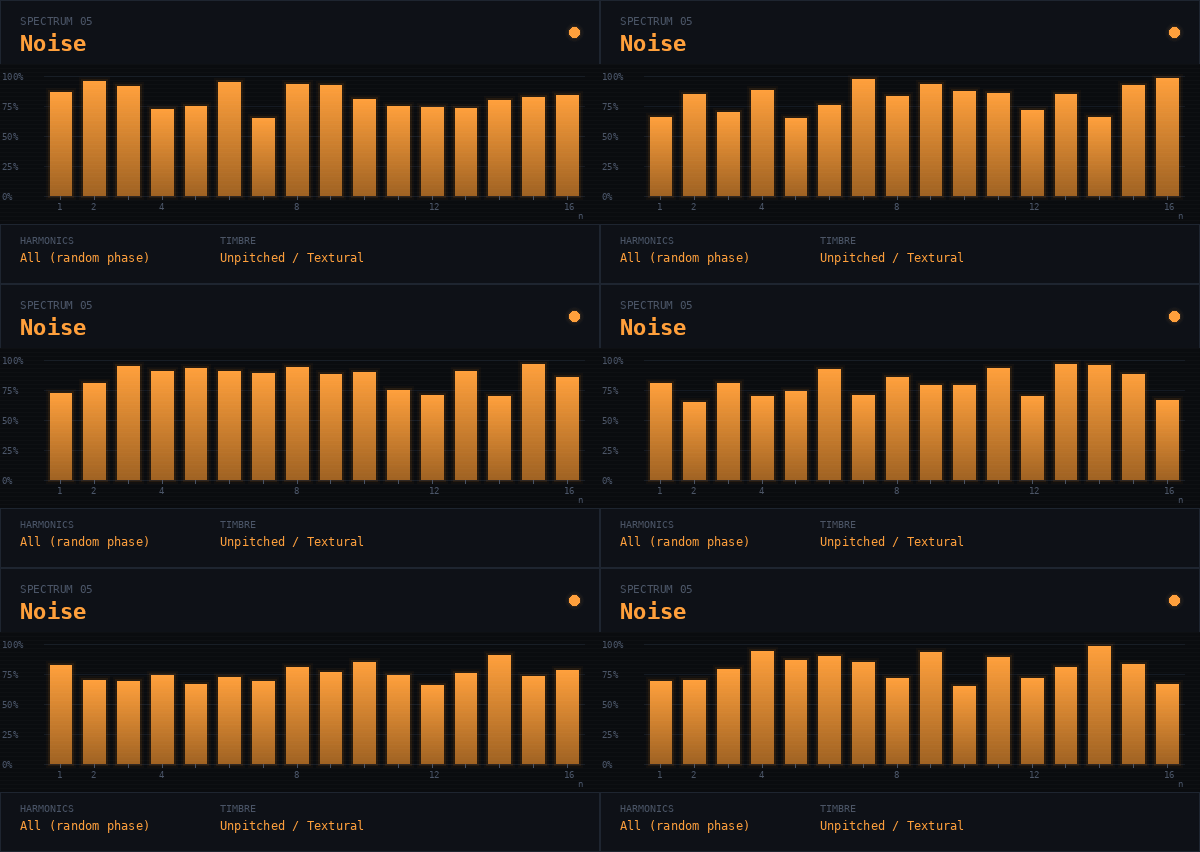
Noise